











Oman Travel Trends 2026–27: What’s Hot This Winter Season
Oman is having a moment. Once seen as a quiet, niche corner of Arabia, the Sultanate is now on the shortlist of travellers who want mountains, deserts, beaches and real culture in one trip, without the crowds. If you are planning a winter getaway, here are the Oman travel trends shaping the 2026–27 season, and how to make the most of each one.
1. Winter Is Oman’s Peak Season, and It Is Getting Busier
From October to March, Oman enjoys warm days and cool evenings, which makes it perfect for outdoor adventures. The Ministry of Heritage and Tourism’s “Experience Our Winter” campaign put desert camping, mountain trips, cave exploration, beaches and heritage experiences front and centre for the season. Charter flights alone brought around 93,000 tourists in the last season, a 26% rise, according to the Oman Observer.
Our tip: December, January and February book up fast. Reserve desert camps and popular day tours a few weeks in advance.
2. Indian Travellers Are Discovering Oman
India has become one of Oman’s most important source markets. More than 381,000 Indian visitors arrived between January and June 2026, as reported by The Pioneer. Short flights from Kerala, Mumbai, Delhi and other cities, plus a familiar food scene and a large Indian community, make Oman an easy first trip abroad for families and solo travellers alike.
Indian travellers are no longer just visiting Muscat. They are asking for heritage tours, luxury stays, adventure, wellness and family-friendly attractions.
3. Festival Season: Muscat Nights and Winter Events
Winter in Oman is also festival season. Muscat Nights 2026 ran through January across venues such as Qurum Natural Park, Naseem Garden, Amerat Park, Seeb Beach and Wadi Al Khoudh, with heritage villages, food festivals, fireworks, drone shows, kayaking at Wadi Dayqah Dam and plenty for kids.
Beyond Muscat, the winter calendar usually includes the Muscat Marathon, the Tour of Oman cycling race, Ironman, the Bashayer Camel Festival and “Winter in Bahla”. Dates for the coming season are announced closer to the time, so check before you book.
4. Desert Camping and Glamping
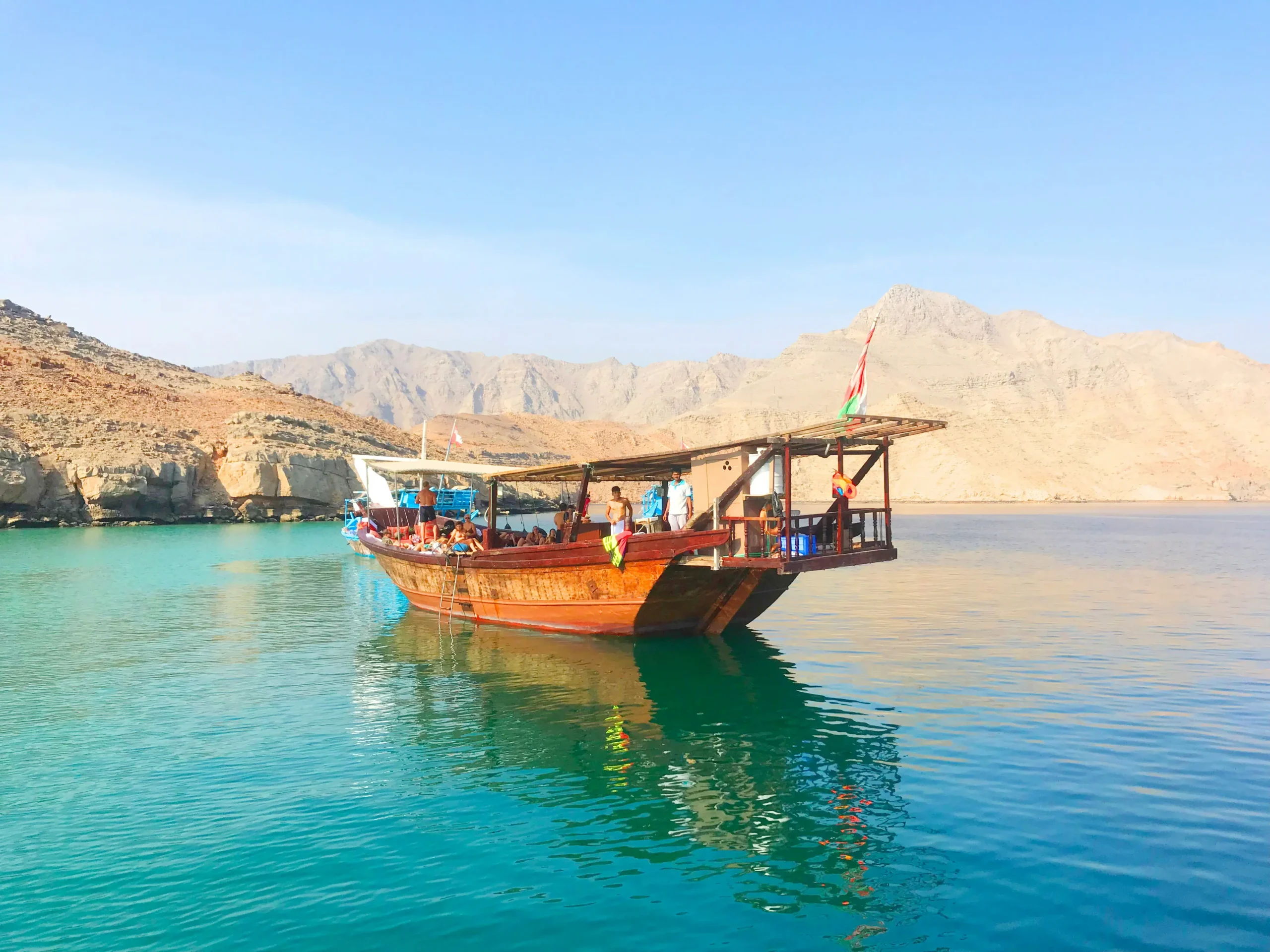
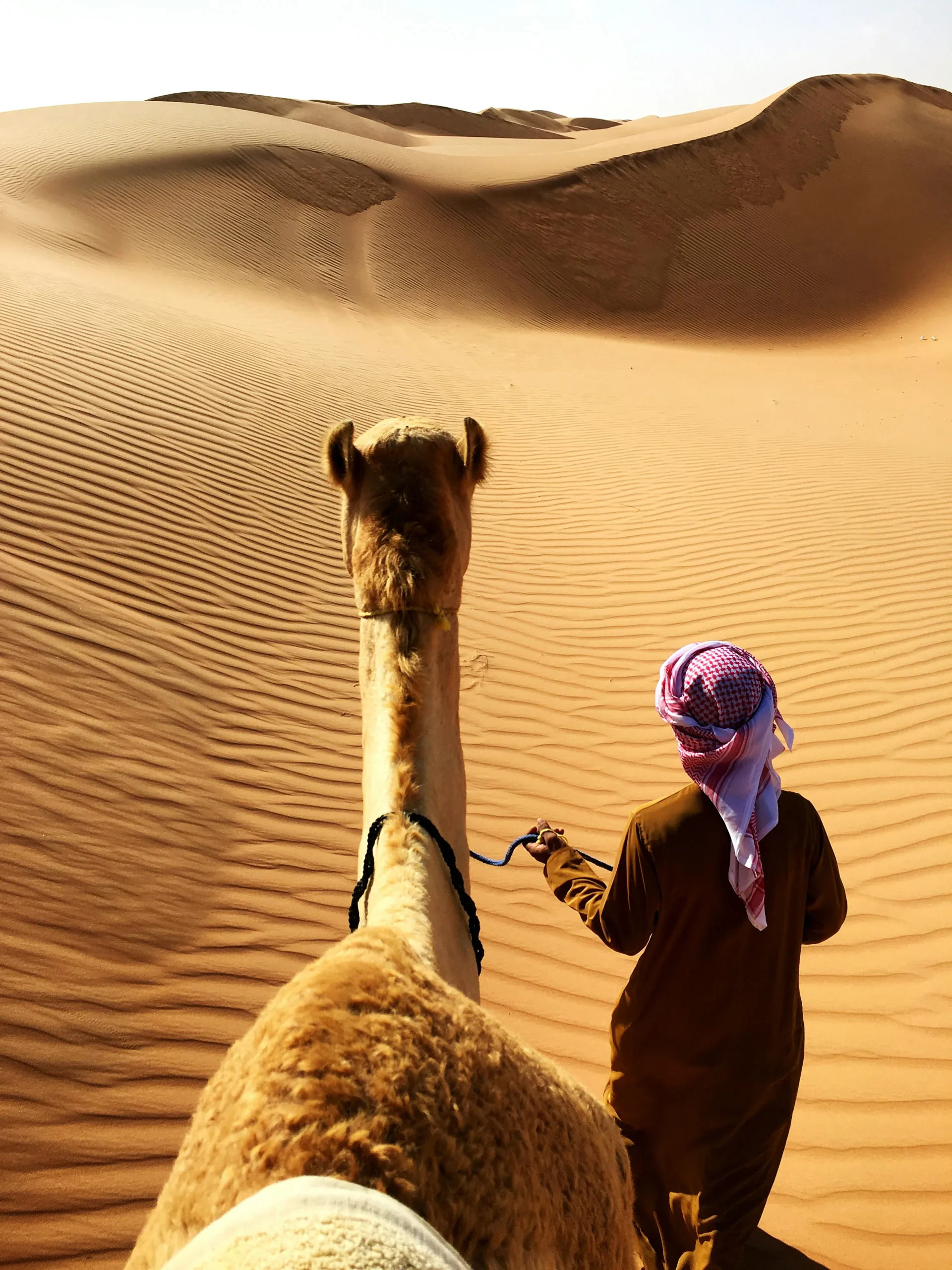
A night under the stars in the Wahiba Sands (Sharqiya Sands) remains one of the most requested experiences. Today’s camps range from simple Bedouin-style tents to luxury glamping with private bathrooms. Dune bashing, camel rides and sunset photography are the highlights.
5. Off-the-Beaten-Path Oman: Al Wusta and Duqm
Travellers who have “done” Muscat and Nizwa are heading south to Al Wusta. The region offers a 550 km coastline, quiet beaches in Mahout, the Rock Garden in Duqm (one of Oman’s most important geological sites), and wildlife reserves in Haima where Arabian oryx and gazelles roam. It is ideal for photographers, divers and road-trippers who want solitude.
6. Adventure Travel: Wadis, Caves and Mountains
Adventure tourism keeps growing. Popular choices include:
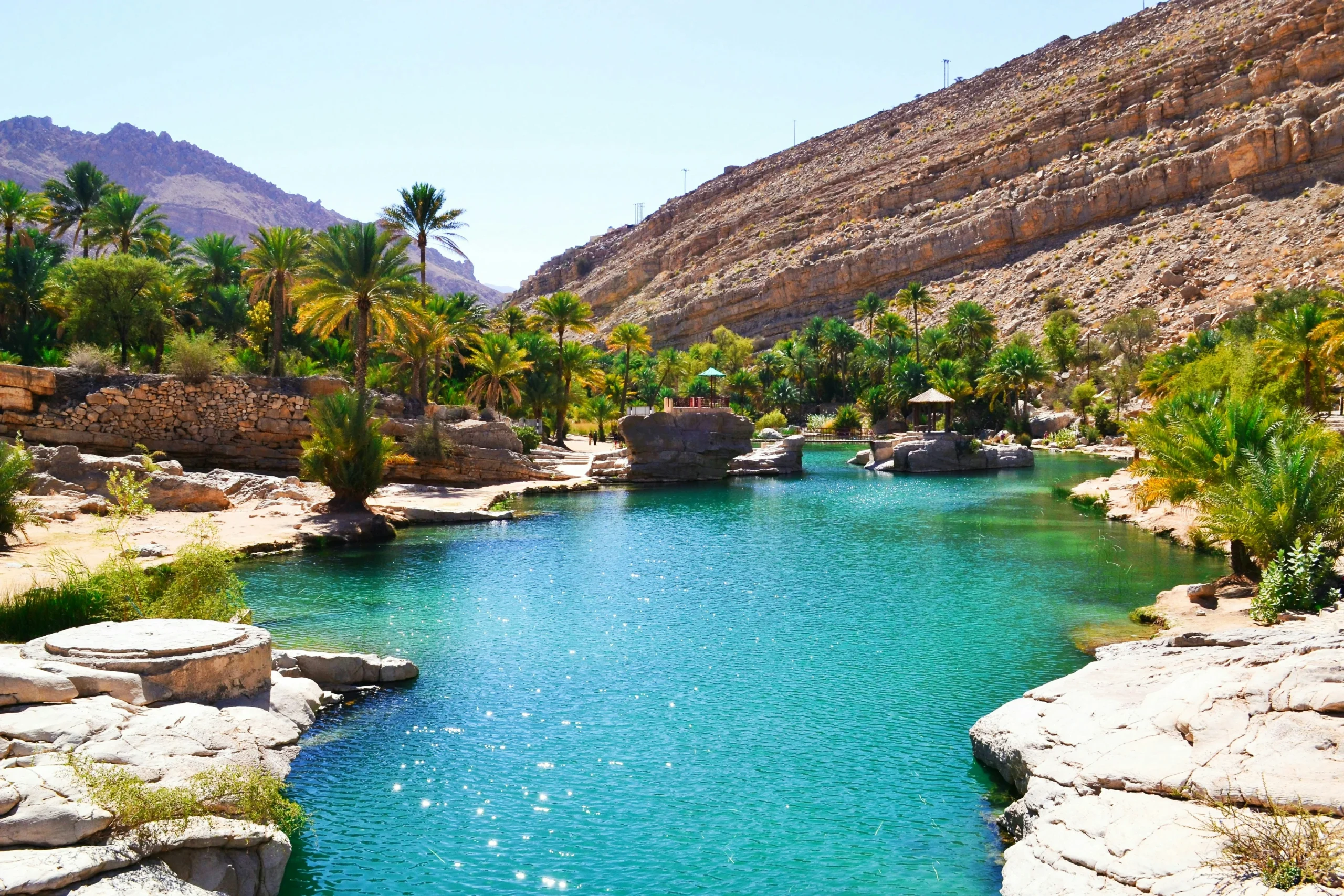
- Wadi Shab and Wadi Bani Khalid for turquoise pools and easy hikes
- Jebel Shams and Jebel Akhdar for canyon views, cool air and terraced villages
- Al Hoota Cave for an accessible underground experience
- Snorkelling and dolphin watching around the Daymaniyat Islands and Muscat’s coast
7. Family-Friendly Attractions
Oman is becoming a favourite for families. New attractions like Snow Oman, an indoor snow park with penguins in Muscat, sit alongside beaches, forts and souqs. Combine one fun city day with a gentle wadi trip and a desert camp night for a trip the whole family will enjoy.
8. Slow, Sustainable and Culture-Led Travel
Oman’s tourism strategy focuses on longer stays and responsible travel rather than mass tourism. Visitors are choosing homestays in mountain villages, guided heritage walks in Nizwa and Bahla, and local experiences such as Omani coffee, halwa and frankincense. Respect local customs, dress modestly outside resorts, and support small local businesses.
9. Cruises and Multi-Country Gulf Trips
Cruise calls at Muscat and Salalah continue to grow in winter, and many travellers now combine Oman with the UAE or other Gulf countries in one holiday. A unified GCC tourist visa has been approved and is in the works, which should make multi-country trips even easier once it launches. Until then, check Oman’s current e-visa rules for your nationality before travelling.
Plan Your Oman Winter Trip with Ahlan Arabia Tours
Whether you want a desert camp, a wadi adventure, a family holiday or a cultural tour, now is the best time to explore Oman. Read our guide on why Oman is the next must-visit destination in the Middle East, and browse the best day trips and excursions from Muscat.
Ready to go? Contact Ahlan Arabia Tours today and let our team build your perfect Oman itinerary for this winter.
Frequently Asked Questions
What is the best time to visit Oman?
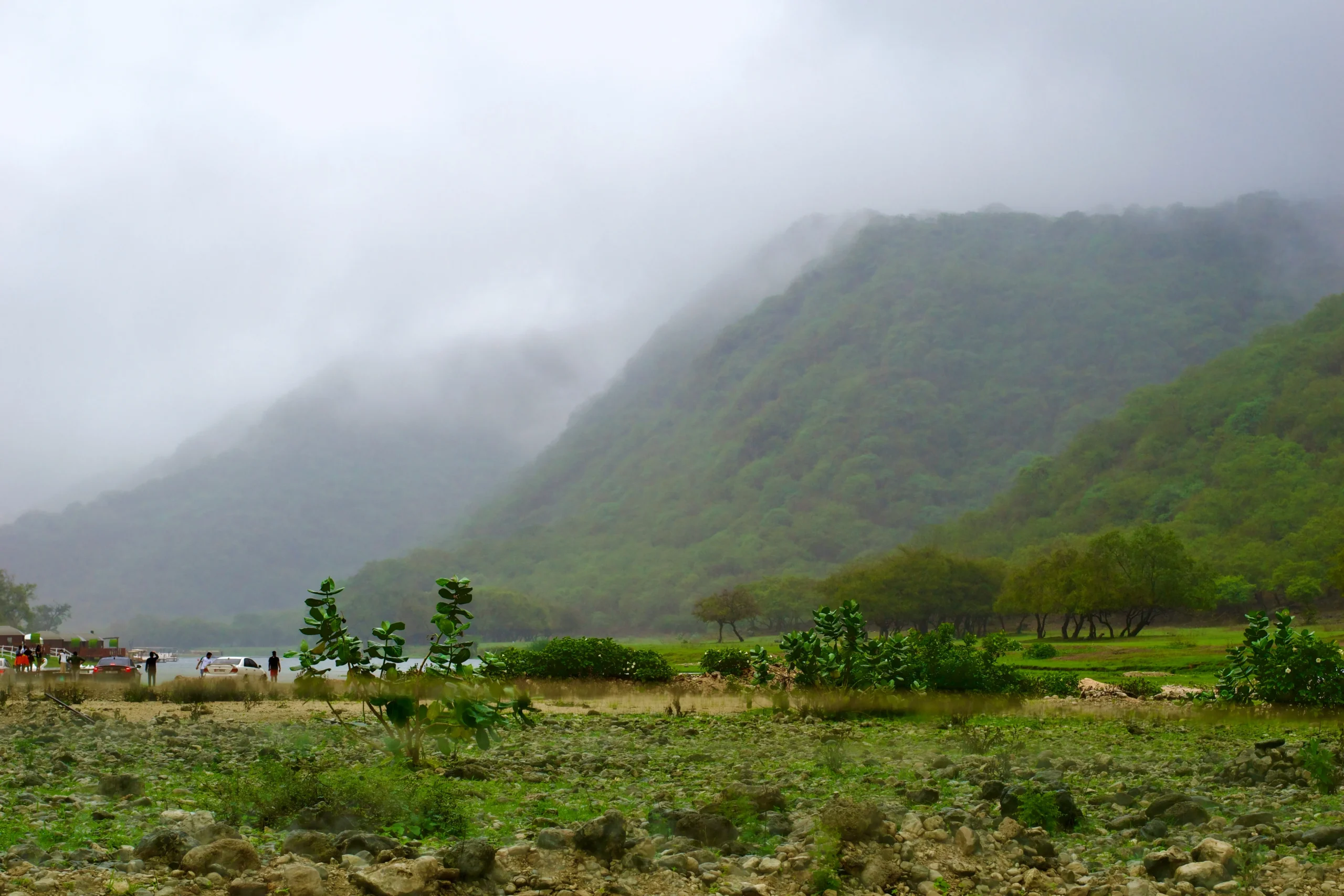
October to March is the best time, with pleasant temperatures for sightseeing, hiking and desert trips. Salalah is also popular during the Khareef monsoon season (roughly July to September).
Is Oman good for families?
Yes. Oman is known as one of the safest and most welcoming countries in the region, with beaches, parks, wadis, desert camps and new attractions like Snow Oman.
How many days do I need in Oman?
Five to seven days covers Muscat, a wadi, Nizwa, Jebel Akhdar and a desert camp. Add a few more days for Al Wusta, Sur or Salalah.